
Theatre has been an essential part of human culture for thousands of years. It is one of the oldest forms of storytelling, combining performance, dialogue, music, and movement to communicate ideas and emotions. From ancient rituals to modern stage productions, theatre has continuously evolved while maintaining its core purpose: to reflect human life through live performance.
Today, theatre remains a respected art form that influences cinema, television, and even digital media.
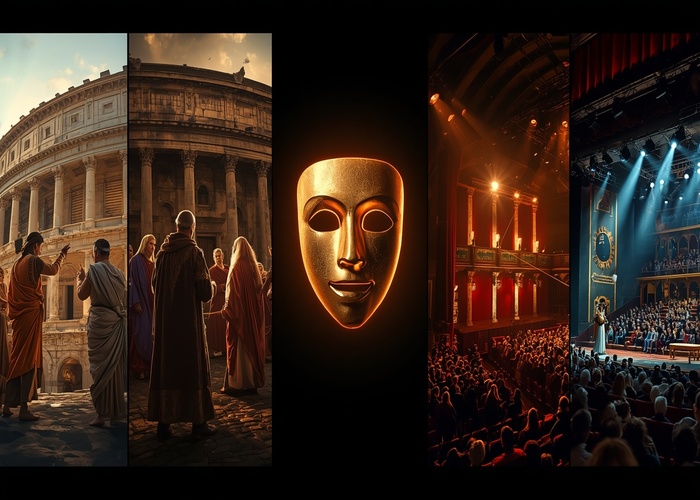
The Origins of Theatre in Ancient Civilizations
The earliest forms of theatre can be traced back to ancient civilizations where storytelling was often linked to religious rituals and community ceremonies. In Ancient Greece, theatre became a structured art form with formal rules, dramatic genres, and dedicated performance spaces.
Greek playwrights such as Sophocles, Euripides, and Aristophanes played a major role in shaping theatrical traditions. Their works introduced concepts like tragedy, comedy, and dramatic conflict that are still used in storytelling today.
At the same time, other cultures such as Ancient India and China also developed their own theatrical traditions, each with unique styles, themes, and performance techniques.
The Development of Classical Theatre
As theatre spread across different regions, it began to evolve into more structured forms. In Ancient Rome, theatre became more entertainment-focused, with larger audiences and grander performances.
During the Middle Ages, theatre was often tied to religious storytelling, with plays performed in churches or public squares to teach moral lessons and biblical stories. These performances helped preserve theatre during a time when written literature was less accessible.
The Renaissance and the Rise of Modern Theatre
The Renaissance period marked a major turning point in theatre history. Playwrights such as William Shakespeare revolutionized storytelling by creating complex characters, emotional depth, and timeless themes.
Shakespeare’s works explored love, ambition, betrayal, and power, and they remain widely performed today. This era also saw the construction of permanent theatre buildings, allowing performances to become more structured and professional.
Theatre in the Modern Era
Modern theatre has expanded far beyond traditional stage performances. It now includes a wide range of styles, from realistic drama to experimental and abstract performances.
In the 20th and 21st centuries, theatre has embraced new technologies, including advanced lighting, sound design, and multimedia projections. These innovations have allowed creators to enhance storytelling while maintaining the essence of live performance.
The Importance of Live Audience Interaction
One of the defining features of theatre is the presence of a live audience. Unlike recorded media, theatre performances change depending on audience reactions, making each show unique.
The energy between actors and audiences creates a shared experience that cannot be replicated. This interaction is what gives theatre its emotional intensity and authenticity.
The Role of Playwrights and Directors
Playwrights are responsible for writing the scripts that form the foundation of a theatre production. Their work includes dialogue, character development, and narrative structure.
Directors interpret these scripts and bring them to life on stage. They guide actors, design stage movement, and ensure that the overall vision of the performance is cohesive.
Together, playwrights and directors shape the artistic direction of theatre productions.
Acting in Theatre
Theatre acting requires a unique set of skills compared to film acting. Performers must project their voice, express emotions clearly, and maintain consistency throughout live performances.
Since there are no retakes in theatre, actors must be highly disciplined and well-prepared. They also need strong stage presence and the ability to connect with audiences in real time.
Stagecraft and Production Design
Stage design plays a crucial role in theatre storytelling. Set designers, costume designers, lighting technicians, and sound engineers all contribute to creating the atmosphere of a performance.
Even with minimal resources, theatre productions can create powerful visual effects through creative design and imagination.
Theatre as a Reflection of Society
Theatre has always reflected social, political, and cultural issues. Many plays explore themes such as justice, inequality, identity, and human relationships.
By presenting these topics on stage, theatre encourages audiences to think critically about the world around them. It can challenge beliefs, raise awareness, and inspire change.
The Global Influence of Theatre
Theatre exists in nearly every culture around the world, each with its own traditions and styles. From Western drama to Asian performance arts, theatre continues to evolve through cultural exchange and innovation.
International festivals and collaborations have helped theatre reach global audiences, promoting diversity and artistic expression.
The Future of Theatre
Despite the rise of digital entertainment, theatre continues to adapt and survive. Modern productions increasingly combine traditional stage techniques with digital technology, such as projection mapping and virtual effects.
Some performances are also streamed online, allowing global audiences to experience theatre remotely. However, the live experience remains the heart of theatre’s appeal.
Conclusion
Theatre is a timeless art form that has evolved across centuries while maintaining its core essence: live human storytelling. From ancient rituals to modern productions, it continues to inspire, entertain, and challenge audiences worldwide.
As theatre moves into the future, it will likely continue blending tradition with innovation, ensuring its place as one of the most important cultural and artistic expressions in human history.