
Theatre is one of the oldest forms of storytelling in human history. Long before cinema, television, or digital media, people gathered in open spaces and theatres to watch live performances that combined acting, dialogue, music, and emotion. Even today, despite the rise of modern entertainment, theatre continues to hold a special place in culture and the arts.
Unlike recorded media, theatre is a live experience. Every performance is unique, and no two shows are exactly the same. This sense of immediacy and human connection is what makes theatre a powerful and enduring art form.
The Origins of Theatre
Theatre dates back thousands of years to ancient civilizations such as Greece, Rome, India, and China. In Ancient Greece, theatre was closely linked to festivals and religious celebrations, where playwrights like Sophocles and Euripides created dramatic works that are still studied today.
These early performances laid the foundation for modern theatre, introducing key elements such as tragedy, comedy, dialogue, and structured storytelling.
The Magic of Live Performance
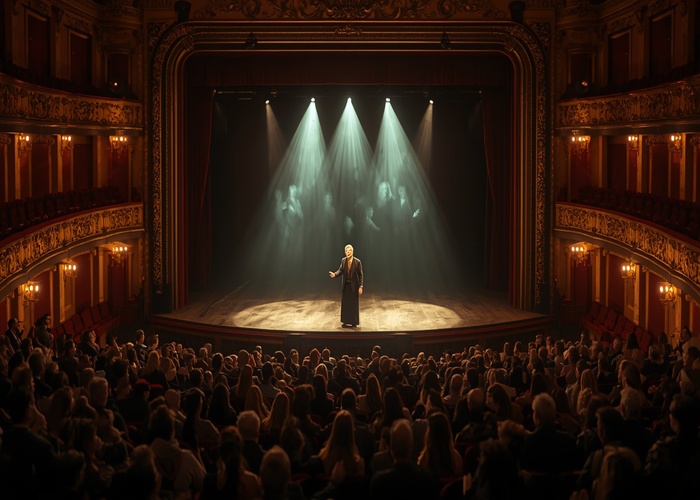
One of the most distinctive features of theatre is its live nature. Actors perform in front of a real audience, creating an immediate emotional exchange between performer and viewer.
This live interaction creates a unique atmosphere. The audience’s reactions—laughter, applause, silence—become part of the performance itself. This shared experience cannot be replicated by film or television.
Types of Theatre
Theatre comes in many forms, each offering a different style of storytelling.
Tragedy
Tragedy focuses on serious themes, often involving human suffering, moral conflict, and emotional depth. These plays explore the darker aspects of life and human nature.
Comedy
Comedy theatre aims to entertain and amuse audiences through humor, satire, and exaggerated situations.
Musical Theatre
Musical theatre combines acting, singing, and dancing to tell a story in a highly expressive and emotional way.
Historical Theatre
These performances are based on real historical events or figures, bringing the past to life on stage.
Experimental Theatre
Experimental theatre breaks traditional rules and explores new forms of expression, often challenging audience expectations.
The Role of Actors in Theatre
Actors are at the heart of theatre. Unlike film actors, theatre performers must deliver their performance live, without the possibility of retakes.
This requires strong memorization, vocal control, physical expression, and emotional consistency. Theatre acting is often considered one of the most challenging forms of performance art.
A successful theatre actor must connect deeply with their character and maintain that energy throughout the entire performance.
Stage Design and Production
The visual aspect of theatre plays an important role in storytelling. Stage design, lighting, costumes, and props all contribute to creating the world of the play.
Even with limited space compared to film, theatre productions use creative techniques to transform the stage into different settings and environments.
Lighting is especially important, as it helps set the mood and direct audience attention.
The Emotional Power of Theatre
Theatre has a unique ability to create strong emotional experiences. Because the performance is happening live, emotions feel more immediate and intense.
Audiences often feel a deeper connection to characters because they are sharing the same physical space as the performers. This emotional closeness is one of the reasons theatre remains so powerful.
Modern Theatre and Its Evolution
Modern theatre has evolved significantly, incorporating new technologies, storytelling techniques, and global influences. Today’s productions often blend traditional stagecraft with digital projections, advanced lighting systems, and multimedia elements.
Despite these innovations, the core of theatre remains unchanged: live storytelling and human performance.
Theatre vs Film
While both theatre and film are storytelling mediums, they offer very different experiences.
- Theatre is live, unedited, and immediate.
- Film is recorded, edited, and visually controlled.
Theatre emphasizes performance and presence, while film focuses on camera work and cinematic techniques. Both forms complement each other but provide distinct artistic experiences.
The Importance of Theatre in Culture
Theatre plays a vital role in preserving culture and promoting social reflection. Many plays address important social issues such as politics, identity, justice, and human relationships.
Through storytelling, theatre encourages audiences to think critically and emotionally about the world around them.
The Future of Theatre
Even in the digital age, theatre continues to adapt and survive. While streaming platforms and digital entertainment dominate modern media, theatre remains relevant because of its human connection.
Future theatre may include more hybrid performances combining live acting with digital technology, virtual reality, and global streaming of stage productions.
Conclusion
Theatre is one of the most powerful and ancient forms of storytelling. Its ability to bring people together in a shared live experience makes it unique among all art forms.
As it continues to evolve, theatre will remain a vital part of global culture, preserving the essence of human creativity, emotion, and performance.