
Podcasting has rapidly evolved from a simple audio hobby into a powerful global media industry. As technology continues to advance and audience habits change, podcasts are entering a new era filled with innovation, personalization, and deeper audience engagement. The future of podcasting is not just about listening—it is about immersive experiences, intelligent recommendations, and global connectivity.
A Growing Global Industry
In the past, podcasts were considered a niche form of entertainment. Today, they are a mainstream media channel used by millions of people worldwide. From independent creators to major media companies, everyone is investing in podcast production.
This growth has been driven by increasing smartphone usage, faster internet speeds, and the rise of streaming platforms that make audio content easily accessible anywhere and anytime.
From Simple Audio to Rich Experiences
Early podcasts were mostly simple audio recordings, often conversational and unedited. While this format still exists, modern podcasting has expanded into much more complex productions.
Today’s podcasts may include:
- Professional sound design
- Music integration
- Narrative storytelling
- Multiple voice actors
- Documentary-style production
This evolution has transformed podcasts into high-quality audio experiences that rival traditional radio and even some television formats.
The Rise of Video Podcasts
One of the biggest changes in recent years is the rise of video podcasts. Many creators now record both audio and video versions of their shows, allowing audiences to watch or listen depending on their preference.
Video podcasts have helped expand reach across platforms like streaming services and social media, making podcast content more discoverable and shareable.
Artificial Intelligence in Podcasting
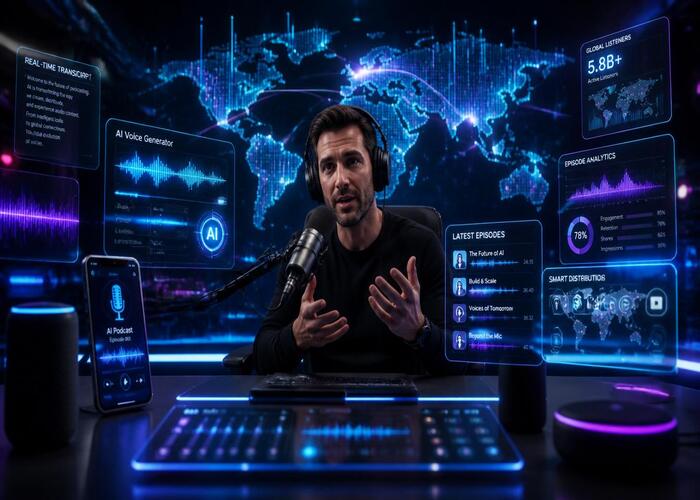
Artificial intelligence is starting to play a major role in podcast production and distribution. AI tools are being used to:
- Edit audio automatically
- Generate transcripts
- Improve sound quality
- Recommend personalized content
- Even assist in scriptwriting
In the future, AI may help create fully personalized podcast episodes tailored to each listener’s interests and preferences.
Personalization and Smart Recommendations
Modern listeners expect personalized experiences. Streaming platforms now use algorithms to recommend podcasts based on listening history, interests, and behavior.
This personalization helps users discover new shows more easily and keeps them engaged for longer periods of time. As technology improves, recommendations will become even more accurate and dynamic.
Interactive Podcast Experiences
The next stage of podcasting may include interactive features. Instead of passively listening, audiences could:
- Choose story directions in narrative podcasts
- Participate in live discussions
- Vote on topics for future episodes
- Engage directly with hosts in real time
These features would turn podcasts into more engaging and community-driven experiences.
The Role of Podcasts in Education and Learning
Podcasts are increasingly used as educational tools. Students, professionals, and lifelong learners use podcasts to gain knowledge in a flexible and convenient way.
Educational podcasts cover topics such as science, history, language learning, business, and personal development. Their accessibility makes learning easier for people who prefer audio-based content.
Monetization and the Creator Economy
Podcasting has also become a key part of the creator economy. Content creators can now earn income through:
- Advertising sponsorships
- Premium subscription models
- Listener donations
- Exclusive content platforms
This has encouraged more creators to produce high-quality content and treat podcasting as a full-time profession.
Challenges Facing the Industry
Despite its growth, podcasting still faces challenges such as:
- Content oversaturation
- Discoverability issues
- Monetization difficulties for small creators
- Maintaining audience retention
As the industry matures, platforms will need to address these challenges to ensure sustainable growth.
The Future Outlook
The future of podcasting is highly promising. With advancements in AI, streaming technology, and user engagement tools, podcasts will likely become even more interactive, personalized, and immersive.
We may see a future where podcasts are not just listened to, but experienced in entirely new ways that blend audio, video, and interactivity.
Conclusion
Podcasting is evolving from a simple audio format into a dynamic global media ecosystem. Its flexibility, accessibility, and growing technological integration make it one of the most exciting areas of modern digital content.
As innovation continues, podcasts will remain a central part of how people learn, entertain themselves, and connect with the world.