
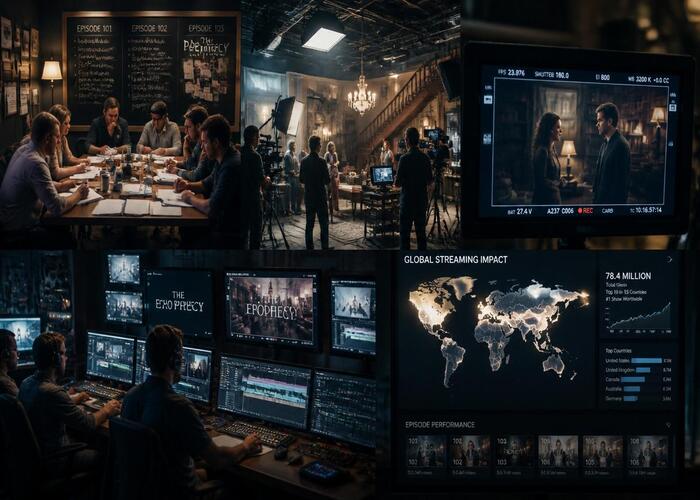
Television series may look effortless when we watch them on streaming platforms, but behind every successful show is a long, complex, and highly coordinated production process. From the first spark of an idea to the final episode released to millions of viewers worldwide, a TV series goes through many stages involving writers, producers, directors, actors, editors, and dozens of other professionals.
Understanding how TV series are made gives a deeper appreciation of the creativity and effort required to bring stories to life on screen.
The Idea and Concept Development
Every television series begins with a simple idea. This could come from a writer, a studio executive, or even an adaptation of a book, comic, or real-life event. At this stage, creators define the core concept of the show:
- What is the story about?
- Who are the main characters?
- What makes it different from other series?
Once the idea is clear, writers develop a “pitch” or concept document that explains the tone, genre, and direction of the series. If producers and studios are interested, the project moves to the next stage.
Writing the Script
Scriptwriting is one of the most important steps in creating a TV series. A team of writers works together in what is often called a “writers’ room.”
In this stage, they:
- Develop detailed storylines for each episode
- Build character arcs across seasons
- Create dialogue and key scenes
- Plan twists, cliffhangers, and emotional moments
Good writing is essential because it determines whether a series will succeed or fail. Even with a big budget, a weak script can make a show uninteresting.
Pre-Production Planning
Before filming begins, a huge amount of planning takes place. This phase is known as pre-production and includes:
- Casting actors for each role
- Selecting filming locations
- Designing sets and costumes
- Creating production schedules
- Organizing budgets and logistics
Casting is especially important because actors must not only fit the characters physically but also bring their personalities to life convincingly.
Filming the Series
Once everything is prepared, production begins. This is where the actual filming takes place.
Directors guide actors through each scene, ensuring that performances match the tone of the story. Cinematographers handle camera work, lighting, and visual composition, while sound crews capture dialogue and ambient audio.
Filming a TV series can take months or even years depending on the number of episodes and complexity of the production.
Post-Production Process
After filming is completed, the footage moves into post-production. This stage transforms raw recordings into a finished episode.
Editors cut and arrange scenes to create a smooth narrative flow. Visual effects teams add CGI elements, while sound designers enhance audio quality and add music, effects, and background sound.
Color grading is also used to adjust the visual tone and make the series visually consistent and appealing.
Marketing and Release Strategy
Before a series is released, studios invest heavily in marketing. This includes:
- Trailers and teasers
- Social media campaigns
- Interviews with cast members
- Promotional posters and events
Streaming platforms often release entire seasons at once, while traditional TV networks may release episodes weekly. The strategy depends on the type of audience and distribution model.
The Role of Streaming Platforms
Streaming platforms have changed how TV series are distributed and consumed. Services like Netflix-style platforms allow viewers to watch shows anytime, anywhere.
This has led to the rise of binge-watching, where audiences watch multiple episodes in one sitting. It has also encouraged studios to create more serialized storytelling instead of standalone episodes.
Challenges in Producing TV Series
Producing a TV series is not easy. Some of the biggest challenges include:
- Managing large production budgets
- Coordinating large teams
- Meeting strict deadlines
- Maintaining consistent quality across episodes
- Dealing with audience expectations and competition
Despite these challenges, successful series can generate huge financial and cultural impact.
Why Some Series Become Global Hits
Not every TV series becomes popular worldwide. Successful shows usually share certain qualities:
- Strong, engaging storylines
- Memorable characters
- High production quality
- Emotional depth
- Universal themes that connect with global audiences
When these elements come together, a series can become a global phenomenon.
The Future of TV Production
The future of television production is being shaped by technology. Virtual production, artificial intelligence, and advanced CGI tools are making it easier to create complex scenes and environments.
At the same time, streaming platforms continue to invest in original content, giving creators more freedom to experiment with new ideas and formats.
Conclusion
Creating a TV series is a long and collaborative process that requires creativity, planning, and technical expertise. From the initial idea to the final episode, every stage plays a crucial role in shaping the final product.
As technology continues to evolve, TV series will become even more ambitious, visually impressive, and globally accessible. But at their core, successful series will always depend on one thing: powerful storytelling that connects with audiences.