
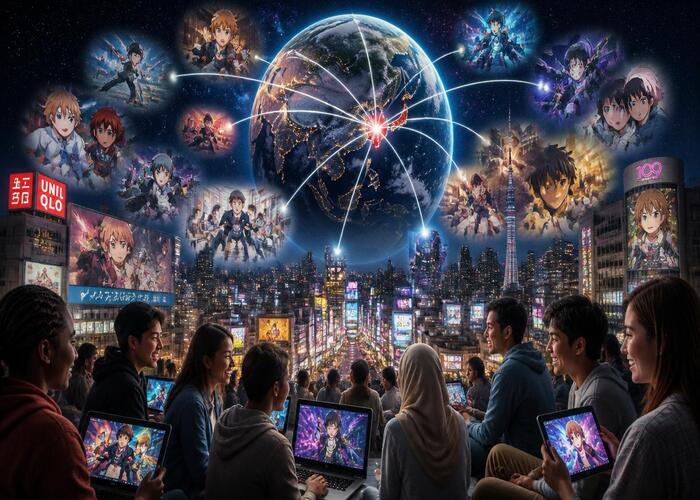
Anime has grown from a niche form of Japanese entertainment into a global cultural phenomenon. Today, millions of fans around the world watch anime series and films, discussing characters, storylines, and artistic styles across social media and online communities. What was once limited primarily to Japan has now become one of the most influential storytelling mediums in modern entertainment.
Anime is not just animation; it is a unique artistic form that combines detailed storytelling, emotional depth, and visually distinctive styles that set it apart from Western animation.
The Origins of Anime
The history of anime dates back to the early 20th century when Japanese filmmakers began experimenting with animation techniques inspired by Western cinema. Over time, Japan developed its own distinct style characterized by expressive characters, dramatic storytelling, and creative visual design.
By the 1960s, anime began to take shape as a recognizable industry, with pioneers creating series that would lay the foundation for modern anime culture. Since then, the industry has expanded dramatically, producing thousands of series and films across multiple genres.
Why Anime Became So Popular Worldwide
The global rise of anime can be attributed to several factors. One of the most important is its storytelling depth. Unlike many forms of animation that focus primarily on children, anime often targets a wide audience, including teenagers and adults.
Anime explores complex themes such as identity, friendship, sacrifice, morality, and existential questions. This emotional and philosophical depth allows viewers to connect with the stories on a personal level.
Another reason for its popularity is accessibility. Streaming platforms have made it easier than ever for international audiences to watch anime with subtitles or dubbing.
Major Anime Genres
Anime covers a wide variety of genres, each appealing to different audiences.
Shonen Anime
Shonen anime is typically aimed at young male audiences but is enjoyed by people of all ages. It often features action-packed stories, strong friendships, and character growth through challenges and battles.
Shojo Anime
Shojo anime focuses more on romance, relationships, and emotional storytelling. It often explores themes of love, personal growth, and friendship.
Seinen Anime
Seinen anime is targeted at adult audiences and usually includes more mature themes, complex narratives, and psychological depth.
Fantasy and Isekai
Fantasy anime transports viewers to magical worlds, while isekai stories often involve characters being transported into another world, usually with game-like mechanics or alternate realities.
Horror and Psychological Anime
These series explore fear, suspense, and the human mind, often presenting dark and thought-provoking narratives.
The Art Style of Anime
One of the most recognizable features of anime is its visual style. Characters often have large expressive eyes, detailed hairstyles, and exaggerated facial expressions that help convey emotion more effectively.
Background art in anime is often highly detailed, creating immersive environments that enhance storytelling. Combined with unique color palettes and animation techniques, anime achieves a distinct aesthetic that sets it apart from other animation styles.
Popularity of Anime Series and Movies
Over the years, many anime series and films have gained international recognition. Iconic titles have introduced millions of viewers to Japanese culture and storytelling.
Anime movies, in particular, are known for their high-quality animation and emotional storytelling. They often explore themes such as love, nature, technology, and human connection in deeply meaningful ways.
The Role of Streaming Platforms
Streaming platforms have played a major role in the global spread of anime. Viewers can now access thousands of anime series instantly, making it easier for new fans to discover the genre.
Subtitles and dubbing have also helped bridge language barriers, allowing anime to reach audiences in nearly every country.
Anime Communities and Fan Culture
Anime has one of the most active and passionate fan communities in the world. Fans engage in discussions, create fan art, attend conventions, and participate in cosplay events.
Online communities have also contributed to the growth of anime culture, allowing fans to share recommendations, theories, and reviews of their favorite series.
The Impact of Anime on Global Entertainment
Anime has influenced not only animation but also movies, video games, fashion, and music around the world. Many Western productions now adopt anime-inspired styles and storytelling techniques.
This cultural exchange has helped anime become a significant part of global entertainment culture.
The Future of Anime
The future of anime looks extremely promising. Advances in digital animation, artificial intelligence, and global distribution platforms are making production more efficient and accessible.
At the same time, the demand for high-quality storytelling continues to grow. Studios are increasingly experimenting with new styles, genres, and international collaborations.
Conclusion
Anime has evolved into a powerful global medium that blends art, storytelling, and emotion. Its ability to explore deep themes while delivering visually stunning experiences has made it beloved by millions around the world.
As technology and creativity continue to evolve, anime will remain a leading force in global entertainment, inspiring new generations of fans and creators alike.