
Over the past two decades, television series have experienced an extraordinary transformation. What was once considered secondary to cinema has now become one of the most respected and influential forms of storytelling in the entertainment industry. Today, TV series attract massive global audiences, generate cultural discussions, and often rival blockbuster films in terms of quality, popularity, and production value.
This remarkable shift has led many critics and viewers to describe the current era as the "Golden Age of Television." With talented writers, ambitious directors, and world-class actors increasingly choosing television projects, modern series have become a major force in global entertainment.
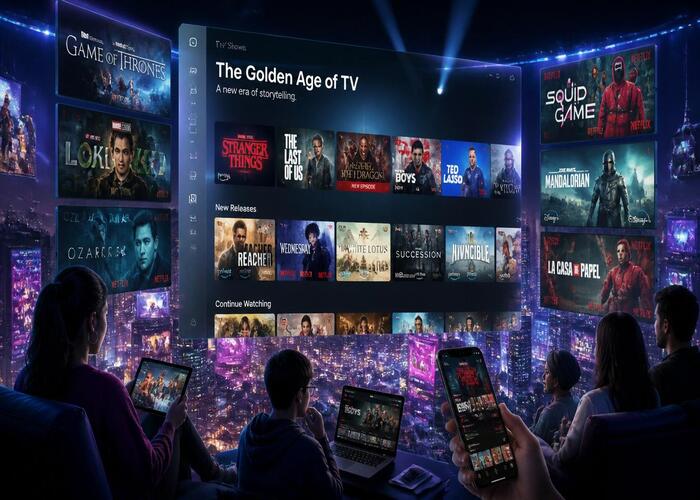
How Television Series Changed Over Time
Television has evolved significantly since its early days. Traditional series often followed simple story structures and were designed primarily for weekly broadcast schedules. Episodes were usually self-contained, allowing viewers to watch without following a long-term narrative.
Modern television has embraced more sophisticated storytelling techniques. Many contemporary series feature complex plots, interconnected storylines, and character arcs that develop over multiple seasons. This evolution has allowed creators to explore themes and narratives with a depth rarely possible in feature films.
As production budgets increased, television series also began to adopt cinematic techniques, creating visually stunning experiences for audiences.
The Appeal of Long-Form Storytelling
One of the greatest strengths of television series is their ability to tell stories over an extended period. Unlike movies, which typically last between ninety minutes and three hours, TV series can unfold over dozens of episodes.
This longer format provides several advantages:
- More detailed character development
- Richer world-building
- Complex relationships
- Multi-layered storylines
- Greater emotional investment
Viewers often spend months or even years following their favorite characters, creating strong emotional connections that enhance the viewing experience.
Character Development in Television
Characters are often the heart of successful television series. Because creators have more time to develop them, audiences can witness significant personal growth, challenges, successes, and failures throughout a show's run.
Well-written television characters feel realistic because they evolve naturally. They make mistakes, learn from experiences, and adapt to changing circumstances. This realism helps viewers relate to them on a personal level.
Strong character development is one of the main reasons audiences remain loyal to long-running series.
The Role of Writers in Successful Series
Writers are responsible for creating the stories that keep audiences engaged. In television, writing teams often work together to plan seasons, develop characters, and maintain consistency across multiple episodes.
Successful writers understand how to balance short-term excitement with long-term storytelling. They create cliffhangers, emotional moments, and unexpected twists that encourage viewers to continue watching.
Great television writing can transform a simple concept into a cultural phenomenon that captivates audiences worldwide.
The Impact of Streaming Services
Streaming platforms have revolutionized the television industry. Viewers now enjoy greater flexibility in how and when they watch content. Entire seasons can be released simultaneously, allowing audiences to watch multiple episodes in one sitting.
This viewing style, commonly known as binge-watching, has changed audience habits and influenced how series are written and produced.
Streaming services have also increased opportunities for international productions. Shows from different countries can now reach global audiences, introducing viewers to diverse storytelling styles and cultural perspectives.
Popular Television Genres
Television series appeal to a wide variety of tastes through numerous genres.
Drama
Drama series focus on emotional storytelling, personal relationships, and realistic conflicts. They often explore deep human experiences and social issues.
Thriller
Thrillers create suspense and tension through mysteries, investigations, and unexpected plot twists that keep viewers engaged.
Science Fiction
Science fiction series imagine future technologies, alternate realities, and extraordinary scientific possibilities.
Fantasy
Fantasy shows transport audiences to magical worlds filled with adventure, mythical creatures, and epic battles between good and evil.
Comedy
Comedy series provide entertainment through humor, satire, and relatable situations that resonate with everyday life.
Historical Drama
Historical series bring past events and cultures to life, combining education with compelling storytelling.
Why TV Series Create Strong Fan Communities
Unlike movies, which are often experienced once or twice, television series encourage long-term audience engagement. Fans spend years discussing theories, analyzing episodes, and sharing their opinions online.
Social media has strengthened these communities by allowing viewers from around the world to connect and discuss their favorite shows. Fan communities contribute to the popularity of series and help keep conversations alive between seasons.
These dedicated audiences often play an important role in a show's success and longevity.
Challenges Facing Modern Television
Although television is thriving, the industry faces several challenges. Competition among streaming platforms has increased dramatically, making it difficult for new series to stand out.
Production costs continue to rise, especially for shows featuring large casts, extensive visual effects, and ambitious storylines. Creators must also meet growing audience expectations for quality and originality.
Despite these challenges, the demand for engaging television content remains stronger than ever.
The Future of Television Series
The future of television looks bright. Technological advancements continue to improve production quality while providing creators with new storytelling tools.
Artificial intelligence, virtual production techniques, and interactive entertainment may influence how future series are created. However, regardless of technological changes, audiences will continue to value compelling stories, memorable characters, and emotional authenticity.
Television series are likely to remain one of the most important forms of entertainment for generations to come.
Conclusion
Television series have transformed into a powerful storytelling medium capable of delivering unforgettable experiences. Through long-form narratives, rich character development, and innovative production techniques, modern TV shows continue to attract audiences around the world.
As the industry evolves, television will remain a central part of global culture, offering viewers endless opportunities to explore new stories, perspectives, and imaginative worlds. The Golden Age of Television is far from over, and the future promises even more exciting possibilities for creators and audiences alike.