
Anime is more than just entertainment; for many viewers, it becomes an emotional experience that leaves a lasting impact. Unlike other forms of animation, anime often creates deep psychological connections with its audience through storytelling, character development, and emotional themes. This is one of the main reasons why anime has grown into a global phenomenon with millions of dedicated fans.
Understanding why people become so attached to anime requires looking at how it engages emotions, imagination, and personal identity.
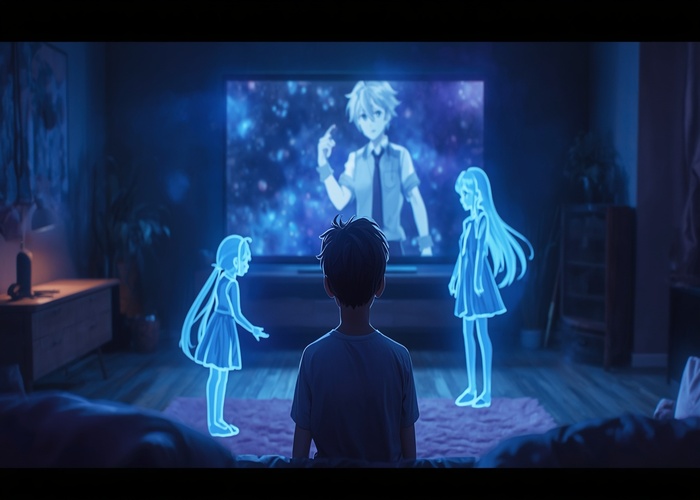
Emotional Storytelling and Human Connection
One of the strongest psychological aspects of anime is its emotional storytelling. Many anime series focus heavily on feelings such as love, loss, friendship, sacrifice, and hope.
These emotions are portrayed in a way that feels intense and personal. Characters often experience situations that reflect real human struggles, making it easier for viewers to relate to them. When audiences see characters facing hardship or growth, they often reflect on their own experiences.
This emotional mirror effect creates a strong bond between viewer and story.
Character Attachment and Long-Term Investment
Anime series often run for many episodes or even multiple seasons, allowing viewers to spend a long time with the same characters. Over time, this creates a psychological attachment similar to real relationships.
Viewers become invested in character journeys, celebrating their successes and feeling their losses. The longer the story continues, the stronger this attachment becomes.
This is especially powerful in anime where character development is slow, detailed, and deeply emotional.
Escapism and Imagination
Another important psychological factor is escapism. Anime allows viewers to step away from real-life stress and enter imaginative worlds filled with adventure, fantasy, or futuristic settings.
These worlds are often highly detailed and visually rich, making them easy to immerse in. For many people, anime becomes a safe space where they can relax and experience stories without real-world pressure.
Escapism does not mean avoidance; rather, it provides emotional balance and mental relief.
Identity and Self-Discovery
Many anime series explore themes of identity, purpose, and personal growth. Viewers, especially younger audiences, often connect with these themes during important stages of their lives.
Characters struggling with self-doubt, ambition, or belonging can reflect the viewer’s own journey. This makes anime a powerful tool for self-reflection and understanding one’s emotions.
In some cases, fans even adopt values or life lessons learned from anime into their real lives.
The Role of Music and Visual Emotion
Music plays a crucial role in enhancing emotional impact in anime. Opening themes, background scores, and emotional soundtracks help reinforce key moments in the story.
Combined with expressive animation techniques, music can intensify feelings of sadness, excitement, or tension. This combination of sound and visuals creates a powerful sensory experience that stays in memory long after watching.
Community and Shared Experience
Psychological attachment to anime is also strengthened by community. Fans often share their thoughts, theories, and favorite moments online or in real life.
Being part of a community creates a sense of belonging. Discussions about characters, plot twists, and emotional scenes help reinforce the viewer’s connection to the anime.
This shared experience makes anime feel like more than just a show—it becomes part of a social identity.
Why Anime Feels More Personal Than Other Media
Unlike many forms of entertainment, anime often blends fantasy with emotional realism. Even in fictional worlds, the emotions and relationships feel authentic.
This balance makes anime feel personal and meaningful. Viewers are not just watching a story—they are experiencing it emotionally.
This is one of the key reasons why anime often leaves a stronger impact compared to other media.
Conclusion
The psychological appeal of anime comes from its ability to connect deeply with human emotions, imagination, and identity. Through powerful storytelling, memorable characters, and immersive worlds, anime creates experiences that stay with viewers for years.
As anime continues to evolve and reach global audiences, its emotional and psychological impact will likely grow even stronger, making it one of the most influential storytelling mediums in modern entertainment.