
Films have been one of the most influential forms of entertainment and artistic expression for more than a century. From silent black-and-white productions to modern blockbuster franchises powered by cutting-edge visual effects, cinema has continuously evolved while maintaining its ability to tell compelling stories that connect people across cultures and generations.
Today, films are more accessible than ever before. Whether viewed in theaters, streamed online, or watched on mobile devices, movies remain a central part of global culture. They entertain, educate, inspire, and often shape public conversations about important social, political, and cultural issues.
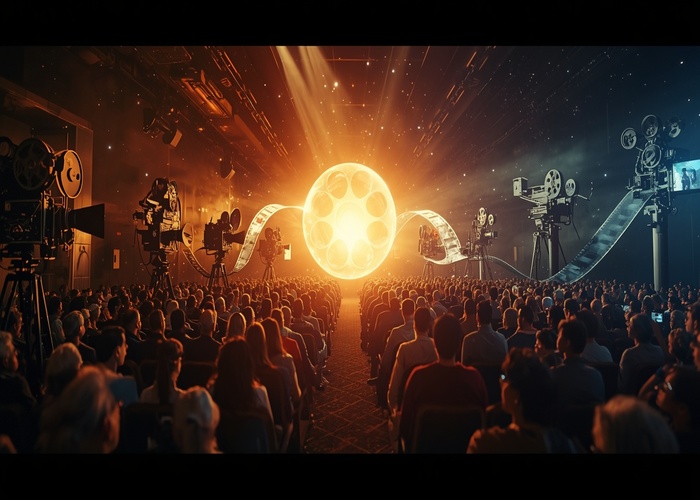
The Origins of Film
The history of film dates back to the late nineteenth century when inventors and artists began experimenting with moving images. Early films were short and simple, often documenting everyday activities or staged performances. As technology advanced, filmmakers discovered new ways to tell stories through editing, camera movement, and visual storytelling.
The introduction of synchronized sound in the 1920s transformed cinema forever. Audiences could now hear dialogue, music, and sound effects, creating a more immersive experience. Color film followed, adding another layer of realism and artistic possibility. These innovations laid the foundation for the modern film industry.
Why Films Matter
Films are more than just entertainment. They serve as powerful tools for communication and cultural exchange. A well-made movie can introduce viewers to unfamiliar cultures, challenge existing perspectives, and inspire meaningful discussions.
Many films explore universal themes such as love, friendship, ambition, sacrifice, and resilience. These themes resonate with audiences regardless of their background, making cinema a uniquely global art form.
Additionally, films often preserve historical moments, document social changes, and reflect the values of different eras. They can influence fashion, language, and even public opinion.
Popular Film Genres
One of the reasons films remain popular is the diversity of genres available to audiences.
Action Films
Action movies are known for their excitement, fast-paced storytelling, and spectacular sequences. They often feature heroes facing dangerous challenges, thrilling chases, and intense battles that keep audiences engaged from beginning to end.
Drama Films
Drama focuses on emotional storytelling and character development. These films explore human relationships, personal struggles, and complex moral dilemmas, often leaving a lasting emotional impact on viewers.
Science Fiction Films
Science fiction allows filmmakers to imagine future technologies, alternate realities, and life beyond Earth. These movies often explore philosophical questions about humanity, technology, and society.
Horror Films
Horror movies aim to create fear, suspense, and tension. Through psychological storytelling, supernatural elements, or terrifying creatures, they provide audiences with a unique emotional experience.
Comedy Films
Comedy remains one of the most beloved genres worldwide. By using humor, satire, and relatable situations, comedy films entertain audiences while often delivering insightful observations about everyday life.
Documentary Films
Documentaries focus on real events, people, and issues. They educate viewers while providing deeper understanding of topics ranging from history and science to politics and environmental challenges.
The Film Production Process
Creating a film requires collaboration among hundreds of professionals. The process typically includes several key stages:
Development
Every film begins with an idea. Writers create scripts that define the story, characters, dialogue, and overall structure of the movie.
Pre-Production
During this phase, producers secure financing, hire cast members, select filming locations, and prepare detailed production schedules.
Production
Production is the stage where filming takes place. Directors, actors, cinematographers, and crew members work together to capture scenes according to the script.
Post-Production
Editors assemble footage, add visual effects, improve sound quality, and incorporate music. This stage shapes the final version of the film.
Distribution and Marketing
Once completed, films are promoted through trailers, interviews, advertising campaigns, and social media before being released to audiences.
The Rise of Digital Streaming
The film industry has undergone significant transformation with the growth of digital streaming platforms. Audiences can now access thousands of movies instantly from almost anywhere in the world.
Streaming has changed viewing habits, allowing people to watch films on their own schedules rather than relying solely on theater releases. It has also created opportunities for independent filmmakers to reach global audiences without traditional distribution channels.
Elements of a Great Film
Several factors contribute to a film's success:
- A compelling and original story.
- Strong character development.
- Excellent performances from actors.
- Skilled direction.
- High-quality cinematography.
- Effective editing.
- Memorable music and sound design.
- Emotional engagement with the audience.
When these elements work together, a film can become both a critical and commercial success.
Technology and the Future of Cinema
Technology continues to reshape the filmmaking process. Modern productions utilize advanced computer-generated imagery (CGI), motion capture, virtual production techniques, and artificial intelligence tools.
Future developments may include more immersive experiences through virtual reality and augmented reality technologies. These innovations could redefine how audiences interact with stories and characters.
At the same time, filmmakers continue to emphasize the importance of strong storytelling. Regardless of technological advancements, compelling narratives remain the foundation of great cinema.
Conclusion
Film is one of humanity's most powerful storytelling mediums. It combines art, technology, music, performance, and imagination to create experiences that entertain and inspire audiences worldwide. As the industry continues to evolve, cinema will remain a vital part of global culture, connecting people through stories that transcend borders, languages, and generations.
Whether you are a casual movie fan or a passionate film enthusiast, the world of cinema offers endless opportunities for discovery, learning, and entertainment.